


The Complete Guide to Blood Disorders
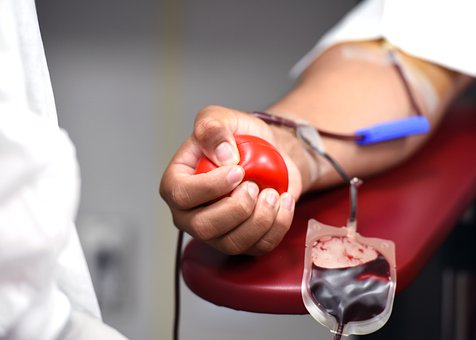
There are many different blood disorders, some more common than others. Some people may not even know they have a blood disorder until they experience a severe health complication. It’s essential to be aware of the signs and symptoms of these disorders, so you can seek medical attention if needed. This comprehensive guide to blood disorders will cover everything you need to know about these diseases. From the common types of blood disorders to their causes and symptoms, we will equip you with all the information you need to detect and treat them. So read on to learn more!
What are Blood Disorders?
Blood disorders, also known as hematological disorders, affect the body’s blood cells and the way they work. The four main types of blood cells are red blood cells (RBCs), white blood cells (WBCs), platelets (PLTs), and plasma. These cells work together to transport oxygen to tissues throughout your body. They stop you from bleeding excessively when you get a cut, and they send signals that trigger other parts of your immune system to fight off infections. As these four different types of blood cells play such vital roles in maintaining your health, it is no wonder that their failure leads to severe complications. Defects in any one or more of these components can cause health problems for your body.
Types of Blood Disorders
There are many different types of blood disorders categorized by their root causes. This section will describe each type in detail and provide you with a list of the most common examples.
Anemia
Anemia is one of the more common blood disorders, especially among adults over 60. This condition usually develops when there aren’t enough healthy red blood cells in your body to carry adequate oxygen to your tissues and organs. The lack of oxygen leads to several symptoms that can impact daily life, including fatigue or tiredness, shortness of breath, and dizziness upon standing up. Symptoms depend on how severe the anemia is and which organs are affected. Iron deficiency anemia is one of the most common types of anemia. It occurs when your body doesn’t have enough iron to produce healthy red blood cells, which leads to a shortage in supply. Without these cells, your liver can’t get enough oxygen to send to tissues throughout your body. Symptoms of this type include fatigue, paleness, and shortness of breath after minimal exertion. Some iron deficiency anemia patients may also experience chest pain or leg cramps.
Hemophilia
Hemophilia is another congenital disorder with symptoms usually noticeable at birth or during infancy. The health problem affects male children more as compared to females because it is passed on by their mothers, who are carriers for the X-chromosome gene mutation that causes hemophilia. In males, it may be caused by a mutation on one of the X chromosomes (women usually have two X chromosomes). Females who inherit a defective copy of this gene from their mothers are carriers of hemophilia but do not suffer from it themselves. Males cannot be carriers for this disease because they only have one X chromosome–if they receive a mutated copy from their mother, they will definitely develop hemophilia symptoms. Symptoms typically manifest during childhood and may include bruises, black eyes, and blood in the urine after an injury.
The condition is categorized into two groups, type A and B, depending on which coagulation factors are missing or defective. Coagulation factors work to trigger blood clotting after an injury to stop you from bleeding excessively. Type A hemophilia impairs your body’s ability to produce Factor VIII, while type B affects Factor IX. Both types of this disorder result in excessive bleeding during injury or surgery, but they can also cause more severe complications if left untreated. Symptoms usually appear around age two and include frequent nosebleeds, heavy bruising, prolonged menstrual flow in women, and blood in the urine.
Von Willebrand Disease
Von Willebrand disease (VWD) is another common congenital bleeding disorder affecting both men and women. This blood disorder is caused by a deficiency in the protein that helps your blood to clot properly, which means you are at risk of excessive bleeding after an injury or during surgery. Symptoms can appear anytime from birth to adulthood and include easy bruising, prolonged menstrual flow, and excessive bleeding from minor injuries such as cuts or scrapes. Men are more likely than women to have VWD because it’s linked with the X chromosome; Females who inherit the gene mutation for this condition from their mothers may also develop it.
Sickle Cell Disease (SCD)
Sickle cell disease (SCD) is a life-threatening illness that can cause damage, pain, and infection among those who suffer from it. SCD results from a mutation in the gene responsible for making hemoglobin, which leads to misshapen red blood cells and anemia. The condition is also known as sickle cell anemia or sickle cell crisis. It typically appears during early childhood, but the severity of symptoms varies depending on how often you experience “sickling episodes.” People with SCD have one faulty copy of the hemoglobin gene, so they carry only one copy of this mutated gene instead of two. This leads to people having inherited sickle cell traits rather than suffering from SCD themselves–meaning they are carriers for the disease but don’t display any symptoms.
Sickle cell anemia is a serious hematological disorder that can cause pain, infection, and organ damage if left untreated. It’s most common among African-Americans and Hispanics/Latinos, affecting one in every 365 African-American births and one in every 16 Hispanic/Latino births. Symptoms typically appear during infancy, childhood, or young adulthood and may include fever, changes in skin color, pain in the chest or abdomen, and anemia. Certain factors increase your risk of developing sickle cell disease or having sickle cell trait, including A personal history of SCD (or another type of abnormal hemoglobin); Having parents who are carriers of the gene mutation; Being born in areas where malaria is more prevalent (sickle cell trait protects you against malaria).
Thalassemia
Thalassemia is another form of inherited anemia; However, unlike sickle cell disease (SCD), thalassemias does not cause any significant changes to your red blood cells. Instead, thalassemia is a group of genetic disorders that prevent your body from producing enough healthy red blood cells and hemoglobin (the substance that gives our blood its red color). Thalassemia affects more than 200 million people worldwide and can be categorized into alpha-thalassemias and beta-thalassemias, depending on the genes responsible for the condition. Alpha-thalassemia results in low production of hemoglobin, while beta-thalassemia limits the production of the protein globin. This leads to anemia symptoms such as fatigue, pale skin, weakness, or dizziness during exercise.
Thrombophilia
Thrombophilia is another rare inherited disorder that increases your risk of developing clots in your veins or arteries (the most common location for these abnormal blood clots). Some people may experience recurring pregnancy loss, excessive bruising, or nosebleeds without any known cause. Thrombophilia can be caused by several genetic mutations that prevent your body from producing clotting proteins normally. It’s also linked to certain diseases and disorders like cancer, central nervous system lesions, lupus, and AIDS. If you suffer from thrombophilia, you will need to take precautions for surgical procedures or activities that increase your risk of bleeding.
Hemochromatosis
Hemochromatosis is a condition where your body absorbs too much iron from food, leading to organ damage if left untreated. It’s most common among Caucasians of Northern European descent and may affect as many as one in every 200 people worldwide. There are two types of hemochromatosis–primary and secondary–with different causes. Primary hemochromatosis occurs when the body produces abnormally high levels of a protein called transferrin, which transports iron throughout your body. This type of hemochromatosis is caused by genetic mutations that impair the function of the HFE gene, which helps regulate iron absorption in your body. Secondary hemochromatosis can develop in people who suffer from an overactive thyroid gland (hyperthyroidism), liver cirrhosis, thalassemia, or other types of iron-overload disorders. People with secondary hemochromatosis typically don’t absorb much dietary iron because their bodies are already saturated with it.
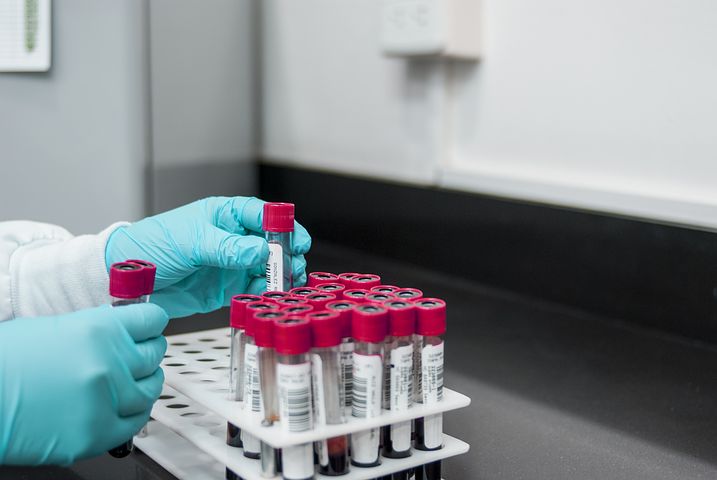
What are the symptoms of blood disorder?
The symptoms of hemophilia, thrombophilia, and other inherited blood disorders depend on the condition you’re suffering from. In most cases, people who develop clots in their veins or arteries experience sudden pain that can be relieved by resting. If you have a history of recurring pregnancy loss or excessive bruising without any known cause, you might be at risk for thrombophilia. Other signs include restless leg syndrome, diabetes, emotional lability (inappropriate or extreme emotional reactions), an increased risk of developing cancer, and Parkinson’s disease. As the symptoms may mimic other blood disorders like leukemia, diagnosis of hemochromatosis can be complicated.
How do you treat hemophilia?
Individuals with hemophilia must take good care of their skin while preventing cuts and other injuries from avoiding bleeding. They should also avoid rough contact sports like rugby or football because it can cause life-threatening internal blood loss. For individuals who experience excessive bleeding after surgery, taking certain medications (such as desmopressin) or receiving an injection of factor VIII can help.
How does thrombophilia affect pregnancy?
Women with thrombophilia are more likely to develop clots during pregnancy because their blood becomes more likely to clot than usual, resulting in dangerous conditions like preeclampsia or placental abruption. Pregnant women with this condition may be at risk of miscarriage, pre-term birth, and stillbirth if they don’t receive proper care. The placenta can also become attached to abnormal sites within the uterus (placenta accreta), resulting in severe bleeding after birth. Hemorrhage is the most common cause of death among pregnant women worldwide, accounting for approximately 8 percent of all deaths during pregnancy and childbirth.
How to prevent thrombosis?
People at high risk for developing blood clots can reduce their risk of experiencing a dangerous or fatal episode by taking certain precautions. In addition to avoiding cigarette smoke, alcohol, cocaine, and prescription medications that contain stimulants, people with hereditary blood disorders should avoid being immobile for long periods. If you have been prescribed long-term bed rest (in the hospital or as an outpatient) due to a medical condition, consult your doctor before making any travel plans. It’s also important not to take birth control pills if you suffer from certain types of thrombophilia, such as antiphospholipid syndrome or Factor V Leiden mutation.
Which blood disorder is the most common?
Oxygen-transporting protein in red blood cells is known as hemoglobin. Hemoglobin disorders are caused by genetic mutations that impair the body’s ability to produce normal amounts of hemoglobin, and are quite common. The three types of thalassemia include alpha thalassemia major, beta-thalassemia, and delta thalassemia.
The most common inherited blood disorder is anemia, which can be caused by disorders involving red blood cells. The three types of thalassemia, a group of conditions that cause the body to produce fewer healthy red blood cells than normal, are the most common inherited hemoglobin disorder in populations with a history of thalassemia.
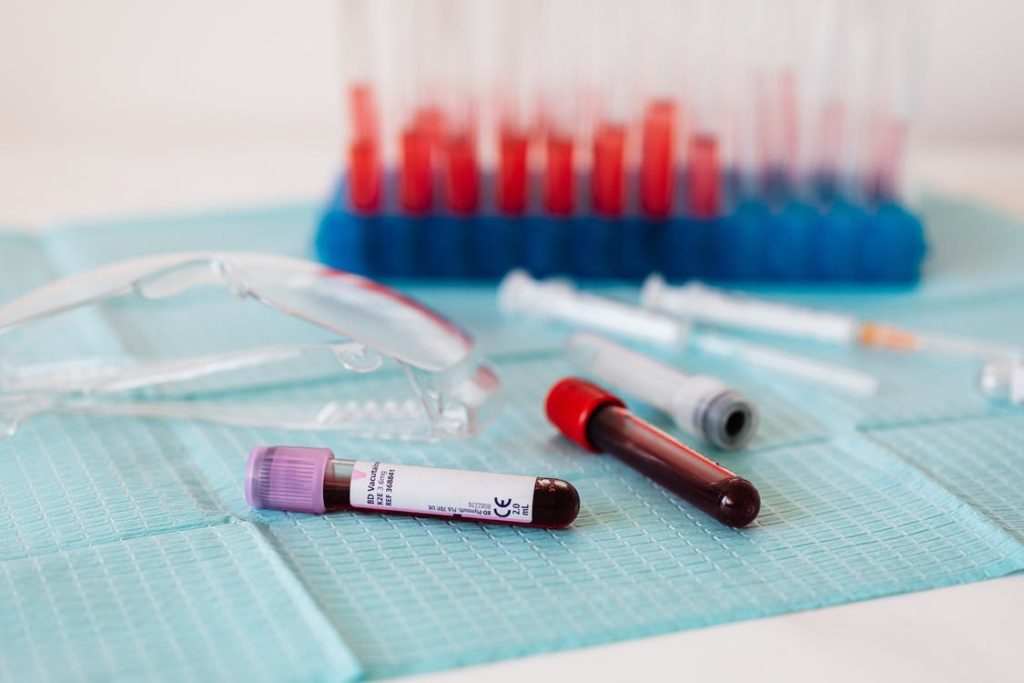
Are blood disorders contagious or sexually transmitted?
You cannot “catch” a blood disorder or give it to anyone else. However, if a woman has a blood disorder and becomes pregnant, there is a higher risk of complications during pregnancy and birth. Disorders such as von Willebrand disease (VWD)can also affect women’s fertility. Diagnosing VWD before starting treatment can help reduce the risk of complications.
How severe is blood disorder?
Some people with a milder form of a blood disorder may have no symptoms, but others develop more severe health problems throughout their lives. Some disorders can be managed by taking medication or receiving regular blood transfusions, while other conditions require lifelong treatments to manage symptoms and prevent more severe complications.
Can all blood disorders be cured?
With proper treatment, most blood disorders can be controlled or treated easily. Unfortunately, many people with hemochromatosis die from heart disease and liver failure complications before their symptoms are recognized as being caused by the disorder.
Some red blood cell disorders, such as sickle cell anemia, cannot be cured but can be managed with regular blood transfusions and pain medication. People who receive regular medical treatment and take their prescribed medications as directed usually live relatively normal, active lives with these chronic disorders.
Hemophilia, PKU, and other conditions affecting the body’s blood cells are not curable. However, many types of hemophilia can be controlled by regularly administering factor VIII or IX. For people with inherited anemias like sickle cell disease, thalassemia, and glucose-6-phosphate dehydrogenase deficiency, a blood transfusion can help replace healthy red blood cells.
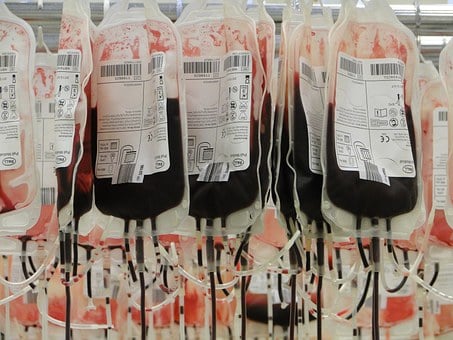
Blood Donation: A healthy habit.
Blood donation helps save lives, and it could also be good for you. Donating blood is a safe process that takes about an hour of your time, during and after the donation.
The benefits of donating blood are numerous. Donating blood can boost energy, relieve depression and help you live a longer life. And if that’s not enough reason to donate blood, there’s also the satisfaction that comes from helping others.
Now more than ever, it is easier to donate blood all over the country. With the development of technology, everything is available at the tip of your fingertips with the click of a button. Similar to in-home mobile lab phlebotomy services and mobile commercial lab services, it is now possible to donate blood from the comfort of your home. In primitive times we would have to go to the hospital to register ourselves and make donations, typically waiting in a long line. However, it is now possible to register yourselves over the phone. Once your registration is done, the phlebotomist will come to your home at the prescribed time and set you up for a blood donation.
Phlebotomy on Wheels is providing in-home phlebotomy services in VA and MD. Their services include but are not limited to blood draws, blood tests, and urine tests, saliva kits, paternity testing, and glucose tolerance. You can obtain all the benefits of a donor while sitting at your home.
Contact them today at 443- 8647 – 3647 to procure their state-of-the-art services.